Repair Damaged Asphalt Before It Spreads
Asphalt Patching in Shoemakersville and Wyomissing, PA, for deteriorated sections and localized pavement failure
Father & Sons Asphalt LLC provides asphalt patching for property owners across Shoemakersville and Wyomissing, PA, who need to repair localized damage without replacing entire surfaces. You may notice potholes forming near your driveway apron, crumbling edges along a parking area, or sunken sections where water pools after rain. These problems grow faster than most people expect, and patching them early prevents the damage from reaching the base layer and requiring far more expensive work.
Patching addresses deteriorated sections by removing the damaged asphalt, preparing the base if necessary, and installing new material that blends into the surrounding pavement. This process restores the surface without the cost or disruption of full replacement. It works for both residential driveways and commercial parking lots, and it extends the functional life of your pavement by stopping localized failures before they compromise adjacent areas.
If you see sections of your asphalt beginning to break apart or sink, contact Father & Sons Asphalt LLC to evaluate the damage and determine whether patching will restore the surface or if a larger repair is needed.
What Asphalt Patching Actually Involves
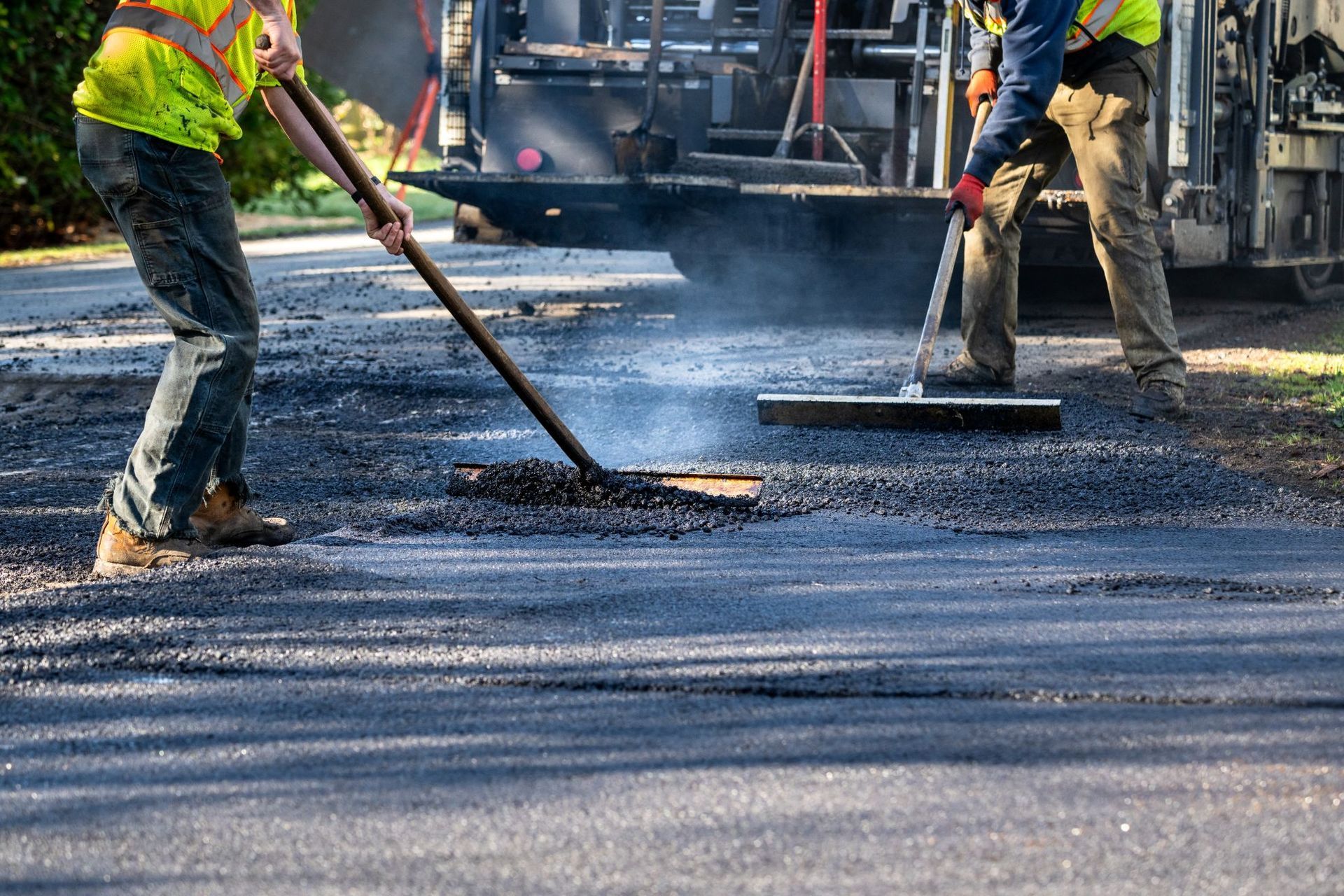
When you schedule patching, the damaged section is saw-cut or broken out to create clean edges, then the base is inspected and compacted if it has settled or eroded. New hot-mix asphalt is placed into the prepared area, compacted with a plate tamper or roller, and blended into the surrounding pavement so the repair sits level with the existing surface.
After the patch is completed, you will notice the damaged area no longer collects water, the surface is smooth enough to drive over without jarring, and the pavement around the repair stops cracking outward. Father & Sons Asphalt LLC matches the material and compaction method to the condition of your existing asphalt so the repair holds up under traffic and weather.
Patching does not restore the entire surface or address wear across the full driveway or lot. It targets specific problem areas. If your pavement shows widespread cracking or surface deterioration, sealcoating or overlay may be more appropriate, but patching remains the most cost-effective way to manage isolated damage and extend pavement life between larger projects.
Questions About Patching Asphalt Surfaces
Property owners in Shoemakersville and Wyomissing, PA, often ask how patching differs from resurfacing, how long repairs last, and when it makes sense to patch instead of replace.
What type of damage is best suited for patching?
Patching works well for potholes, isolated cracks wider than half an inch, sunken sections, and areas where the surface has crumbled but the surrounding pavement remains intact.
How long does a patched section typically last?
A properly installed patch can last several years depending on traffic, drainage, and how well the base was prepared, though it will not outlast the surrounding pavement indefinitely.
Why does patching sometimes fail prematurely?
Patches fail when the base beneath them continues to settle, when water infiltrates from adjacent cracks, or when the repair was not compacted enough during installation.
When should I choose patching over full replacement?
You should patch when damage is localized to a few areas and the rest of your pavement is still structurally sound, which delays the need for full resurfacing and manages your budget more effectively.
How does the Pennsylvania freeze-thaw cycle affect patched areas?
Water that seeps under or around a patch can freeze and expand during winter in Shoemakersville and Wyomissing, PA, so sealing cracks near the repair and ensuring proper drainage helps the patch last longer.
Father & Sons Paving evaluates each damaged section to determine whether patching will hold or if more extensive work is required. Reach out to discuss the condition of your asphalt and schedule a repair that stops the damage before it spreads across your driveway or parking lot.